
Language
Moving just before the new school year is a particular challenge for families. New school, new home, new neighborhood — all at once. With the right planning and some tact, the new start will be a positive experience for the whole family.
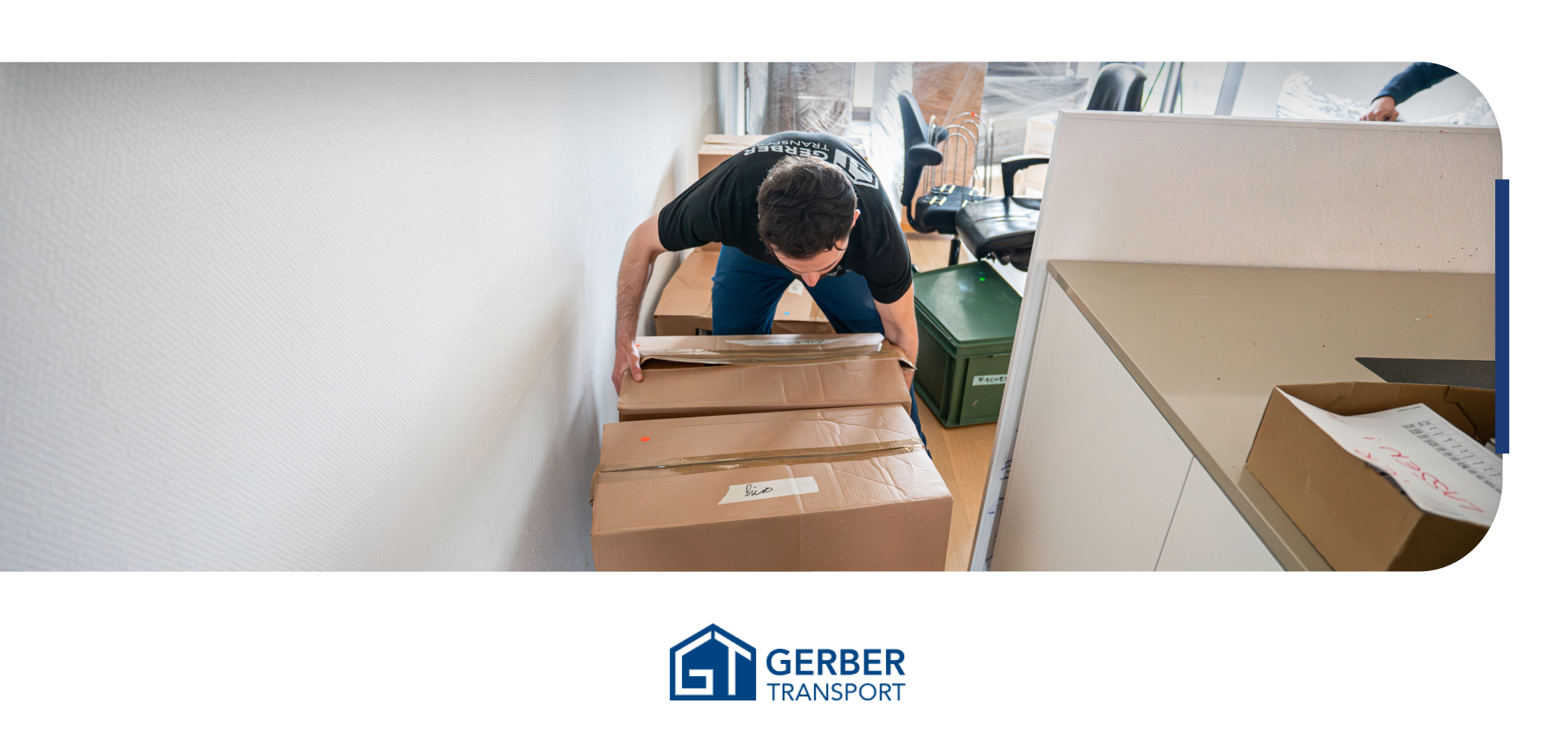
August is a particularly eventful month in Switzerland — in the truest sense of the word. With the end of summer vacation, not only does the new school year begin, but also the last big wave of relocations of the high season. Many families deliberately use the holiday season to change homes in order to enable children to transition to the new school situation as seamlessly as possible.
But it is precisely this time pressure — completing the move and preparing for the start of school at the same time — that makes August a logistically demanding phase. Packing school bags, getting school supplies, completing registrations and unpacking boxes and furnishing furniture at the same time: That sounds like a recipe for stress.
With clever planning and the right mindset, however, this double start can be mastered well — for parents and children alike.
School registration is one of the first official steps that parents must take after a change of residence — and at the same time one of the most important for children's well-being.
In most Swiss cantons, school registration should as early as possible after re-registration with the municipality — ideally 4 to 6 weeks before school starts. In popular residential communities around Zurich and Winterthur, classes can fill up quickly, which is why early registration is crucial.
Many schools offer newcomers the opportunity to visit the school before the first day of school. Take advantage of this offer — it helps children to get to know the new environment even before the first day of school starts. Also ask if there is an introductory event or an introductory morning for new students.
Children react very differently to change. While some see the move as an adventure, others find it stressful — especially when they have to leave friends and familiar surroundings behind. Parents can do a lot to ensure that the transition is experienced positively.
Explain to your children early and openly why the family is moving. Children who understand the reason and feel that their opinion counts are more open to change. Answer questions honestly and take concerns seriously — even if they seem minor from an adult perspective.
Give your kids the chance to have their say in furnishing their new room. What color should the walls be? Where should the bed be? Can a new shelf be purchased? These small decisions give children a sense of control and self-efficacy — and make the new room their own retreat more quickly.
A proven strategy when moving family: Set up the children's room as first completely one — even before other rooms are completed. A familiar, cozy room with familiar toys, books and the usual bed gives children safety in their new environment. This reduces anxiety and creates a stable anchor in the midst of relocation chaos.
A moving day with small children is logistically demanding. Young children cannot wait for hours, become restless quickly and are at increased risk of injury in an environment with heavy furniture and a lot of work.
For children under 8 years of age, it is advisable to arrange childcare for the actual moving day — with grandparents, friends or a day family. This allows parents and the moving team to work without distractions and without worrying about the safety of the little ones.
Older children from around 10 years of age, on the other hand, can actively help — carry lightweight boxes, store objects or serve as orientation aids for the moving team.
Pack a small backpack for each child with the most important things for moving day: favorite snacks, a book or tablet, headphones, favorite toys and a familiar cuddly toy. This backpack stays with the child and is not loaded into the transporter — so children always have access to their familiar things.
The move itself is complete — but the actual settling in is only now beginning. The first few weeks in a new home are decisive for how quickly the whole family — and especially the children — feel comfortable.
Spend the first few days exploring the new district together. Find the next playground, the next bakery, the next park. Children who know their new environment and experience it as familiar get used to it more quickly.
Actively talk to neighboring families and ask if there are children of a similar age. Many municipalities in the Zurich and Winterthur region have local associations, sports clubs or youth groups — early registration helps children quickly make new friends.
Children need structure and routines — especially during phases of change. Try to restore your usual routines as quickly as possible: fixed meal times, bedtimes, and rituals such as reading aloud in the evening. This continuity gives children security, even when the external environment is new and unknown.
With all this focus on the children, parents themselves sometimes take a back seat. But adults also need time to arrive at a new home. After the stress of moving, consciously give yourself some rest, take time to set things up and celebrate the completed move as a family success — for example with dinner together in a new home or a trip in the new area.
At Gerber Transport, we know that moving a family is more than just transporting furniture from A to B. It's about people, emotions and a real new start. That is why we support you with experience, care and a team that knows what is important.
From a free house inspection to professional packaging and final cleaning of the old apartment — we take care of everything so that you can concentrate entirely on your family.
Contact us for a non-binding offer and start your family move relaxed and well prepared.


Rudolf-Diesel-Strasse 5, 8404 Winterthur

info@gerber-transport.ch
You can also email us to share your inquiries and details of your move. We will answer your message in a timely manner and assist you every step of the way.

+41 44 240 41 42
Our friendly team is available over the phone to answer any questions you may have and help you plan your move. We are happy to be there for you.